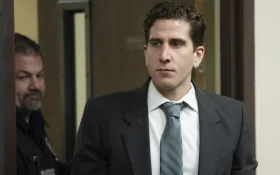
The man convicted of murdering four University of Idaho students is asking a court to let him withdraw his guilty plea and go to trial, saying his attorneys manipulated him into making the deal by promising him better prison conditions and scaring him about the quality of life on death row.
Bryan Kohberger, 31, filed the hand-written petition on Monday from the Idaho Maximum Security Penitentiary where he is serving four consecutive life sentences for the murders of Kaylee Goncalves, Ethan Chapin, Xana Kernodle and Madison Mogen in a rental home near campus in 2022. It’s been just over one year since he pleaded guilty to the stabbing deaths that scarred the close-knit community of Moscow, Idaho.
In his request, Kohberger said his attorneys didn’t adequately represent him and that his guilty plea wasn’t knowingly or voluntarily entered because it “was induced by unkept promises” and threats.
He offered only a few details in elaboration, saying they failed to disclose or review evidence that might have helped his case during plea discussions, like an “unknown hair in Chapin’s hand.”
He also wrote that the attorneys insisted that his plea “need not be truthful, despite petitioner’s vehement denial of actual guilt,” that they promised life in prison would come with “immediate contact visits, freedom of movement, employment” and that they told him “elaborate lies of DR (death row) life.”
That’s the opposite of what Kohberger told 4th District Judge Steven Hippler on July 2, 2025, when he confirmed that he was pleading guilty “freely and voluntarily” because he was, in fact, guilty, and not because he had some other incentive. As part of that process, he had to agree to waive his rights to appeal, confirm that he understood the punishments on the table for the crimes and assure the court that he wasn’t coerced by his attorneys or anyone else to make the plea.
Those and other questions were posed to Kohberger more than once — first in a nine-page legal document that Kohberger filled out, initialed and signed, and later in direct questioning by the judge — all in an effort to ensure that his plea would hold up.
In exchange for his plea, prosecutors agreed they would not seek the death penalty, and instead would recommend that he be sentenced to four back-to-back life sentences without the possibility of parole, plus an additional 10 years.
“Have any other promises been made to you that have influenced your decision to plead guilty?” Kohberger was asked on the plea agreement document. He checked the the box indicating “no.”
“Are you pleading guilty because you are guilty?” Hippler asked him in court a few days later.
“Yes,” Kohberger replied.
Once a defendant has been sentenced, Idaho law requires them to show that they experienced “manifest injustice” in order to withdraw a guilty plea. That is a tough legal standard, but it can be met if a defendant convinces a judge that they made the plea involuntarily or that other serious constitutional errors were made in the case.
For Kohberger’s team of four court-appointed attorneys, the plea deal was a way to save his life. Over two years of hearings, they tried multiple times to get capital punishment off the table. They challenged the legitimacy of DNA evidence, argued that Kohberger’s autism diagnosis made him less culpable, suggested there might be another unknown suspect to be found, and said the death penalty violates international standards of decency.
“Have any other promises been made to you that have influenced your decision to plead guilty?” Kohberger was asked on the plea agreement document. He checked the the box indicating “no.”
“Are you pleading guilty because you are guilty?” Hippler asked him in court a few days later.
“Yes,” Kohberger replied.
Once a defendant has been sentenced, Idaho law requires them to show that they experienced “manifest injustice” in order to withdraw a guilty plea. That is a tough legal standard, but it can be met if a defendant convinces a judge that they made the plea involuntarily or that other serious constitutional errors were made in the case.
For Kohberger’s team of four court-appointed attorneys, the plea deal was a way to save his life. Over two years of hearings, they tried multiple times to get capital punishment off the table. They challenged the legitimacy of DNA evidence, argued that Kohberger’s autism diagnosis made him less culpable, suggested there might be another unknown suspect to be found, and said the death penalty violates international standards of decency.
The Associated Press contributed to this report.