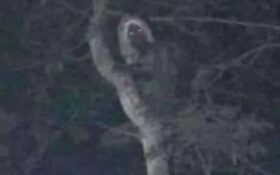
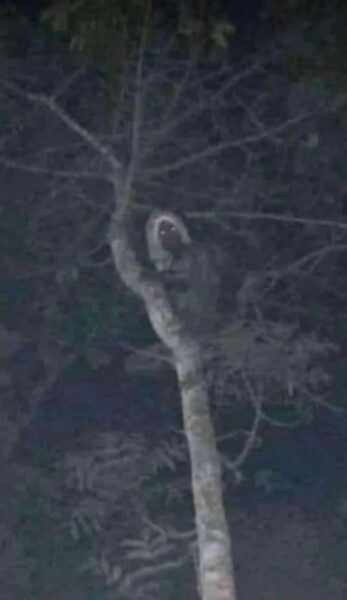
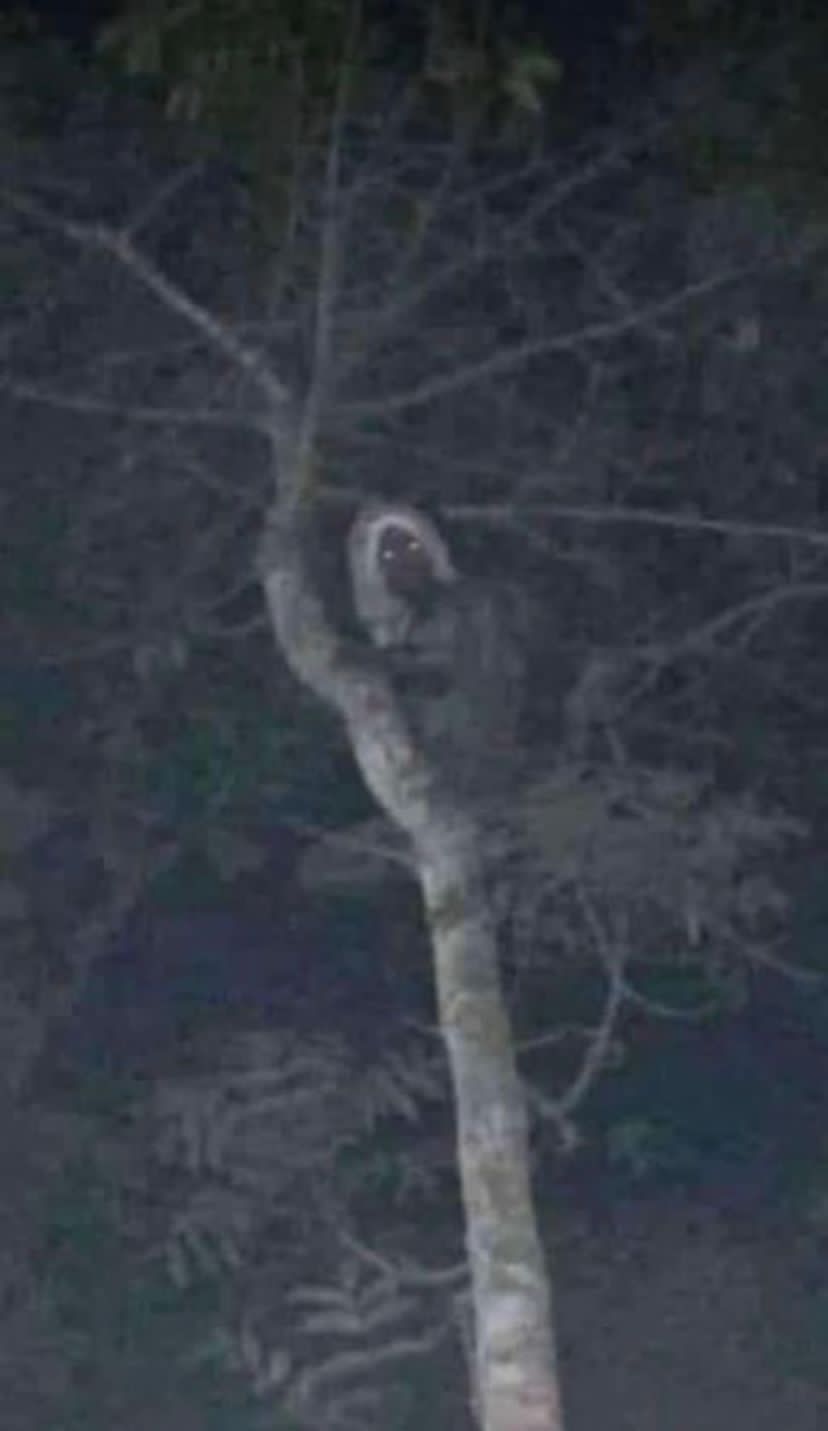
Mexico’s president posted a photo on his social media accounts Saturday showing what he said appeared to be a mythological woodland spirit similar to an elf.
President Andrés Manuel López Obrador did not seem to be joking when he posted the photo of an “Aluxe,” a mischievous woodland spirit in Mayan folklore.
López Obrador wrote the photo “was taken three days ago by an engineer, it appears to be an aluxe,” adding “everything is mystical.”
The nighttime photo shows a tree with a branch forming what looks like a halo of hair, and what may be stars forming the figure’s eyes.
Take a look —
Les comparto dos fotos de nuestra supervisión a las obras del Tren Maya: una, tomada por un ingeniero hace tres días, al parecer de un aluxe; otra, de Diego Prieto de una espléndida escultura prehispánica en Ek Balam. Todo es místico. pic.twitter.com/Tr5OP2EqmU
— Andrés Manuel (@lopezobrador_) February 25, 2023
López Obrador has long expressed reverence for indigenous cultures and beliefs. Engineers and workers are in the Yucatan peninsula, constructing a tourist train that is the president’s pet project.
According to traditional Mayan belief, “Aluxes” are small, mischievous creatures that inhabit forests and fields and are prone to playing tricks on people, like hiding things. Some people leave small offerings to appease them.
The ancient Mayan civilization reached its height from 300 A.D. to 900 A.D. on the Yucatan Peninsula and in adjacent parts of Central America, but the Mayas’ descendants continue to live on the peninsula.
Many continue speaking the Mayan language and wearing traditional clothing, while also conserving traditional foods, crops, religion and medicine practices, despite the conquest of the region by the Spanish between 1527 and 1546.
The Associated Press contributed to this article