Rip currents are the most dangerous threat at beaches every summer, causing the majority of rescues and killing over 100 people annually in the U.S. Recently, six people drowned in Florida over two days due to rip currents, including a vacationing couple from Pennsylvania and three young men from Alabama.
The National Weather Service reports 16 rip current deaths in 2024 so far, including eight in Puerto Rico and two in Texas.
And you need to know what to look for, and what to do, to make sure you survive.
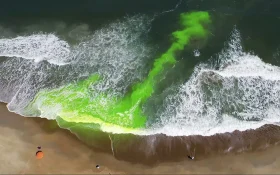
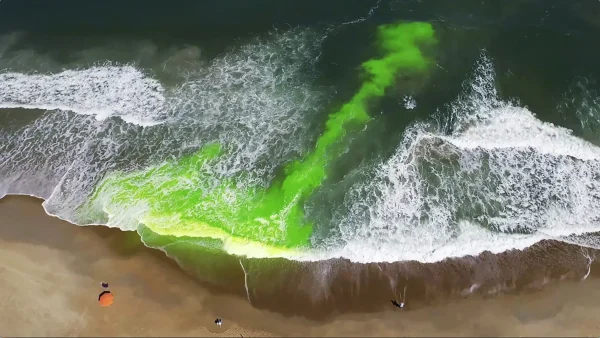
Rip currents are narrow, fast-moving columns of water flowing away from the shore. They don’t pull swimmers under but can carry them far from the beach. These currents often form near low spots, jetties, or piers and can occur in both stormy and calm weather.
Daniel Barnickel of Palm Beach County Ocean Rescue explains, “If you’re caught in one and you try to swim straight in, you’re not going to be able to.”
To escape a rip current, experts say swimmers must know these four steps:
- Don’t panic
- Swim parallel to the shore until out of the current
- Don’t try to fight the current directly
- Swim near lifeguard stations when possible
Barnickel adds, “Most of our rip current rescues happen outside the guarded areas because we’re not there to prevent it from happening.”
Beach warning systems use colored flags:
- Red: high hazard
- Yellow: moderate threat
- Green: low danger
- Purple: dangerous sea life
- Double red: beach closed
The National Weather Service provides rip current risk forecasts and has developed a model to predict favorable conditions up to six days in advance for U.S. coasts, Puerto Rico, Hawaii, and Guam.
NOAA scientist Gregory Dusek, who developed the model, says, “The earlier prediction has potential to substantially increase awareness and reduce drownings.”
Attempting to rescue someone caught in a rip current can also be dangerous. It’s best to find a lifeguard or call 911 if you spot someone struggling. From shore, you can try to instruct the person to swim parallel to the beach.
Barnickel advises, “Never swim alone. And always make sure that there’s an adult. And make sure that you don’t overestimate your abilities. Know your limits.”
Understanding rip currents and following safety guidelines are crucial for beach safety. Always check local weather forecasts and beach conditions before swimming, and heed all warnings and flags posted at the beach. By being aware and prepared, beachgoers can significantly reduce their risk of getting caught in these dangerous currents.