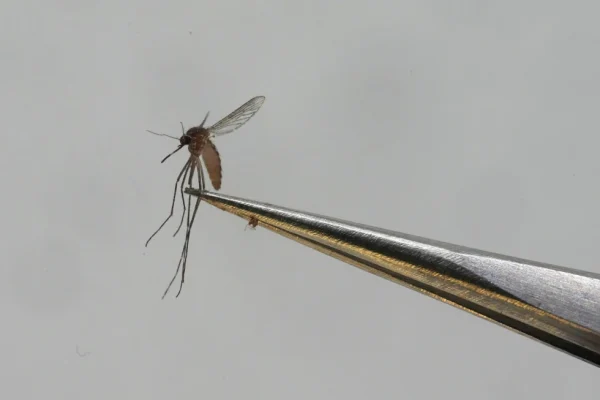
Google wants to release tens of millions of specially treated mosquitoes into communities in Florida and California, and the window for America taxpayers to push back closes in three days.
The tech giant’s life science division has applied to the U.S. Environmental Protection Agency for an experimental use permit to release approximately 32 million male mosquitoes infected with Wolbachia bacteria over two years. Under the plan, 16 million would be released in Florida in the first year, followed by another 16 million in California the following year.
Public comments are being accepted through June 5, 2026.
The project is part of Verily’s “Debug” initiative, launched a decade ago under the motto “stop bad bugs with good bugs.”
The idea behind Google’s plan is that only female mosquitoes bite humans and transmit disease. The males being released cannot bite. When those males mate with wild females they pass on the Wolbachia strain, and the resulting eggs don’t hatch. This would gradually collapse the local mosquito population over time.
“This technique uses a naturally occurring bacteria and uses no chemicals, no toxins and doesn’t involve genetic modification,” the Debug program claims.
Critics aren’t satisfied. Concerned residents have raised questions about what collapsing wild mosquito populations could mean for local ecosystems or if there will be a mutation, which may not be answerable until after the releases have already happened. Once tens of millions of bacteria-infected insects are in the environment, there is no mechanism to recall them.
“I’m not sure whether I would want them in my backyard because there are going to be a lot of things that go wrong,” Florida resident Brent Nye told 10 Tampa Bay News. “I’d rather have some other state to experiment on.”
Residents who want to weigh in can do so at regulations.gov. The deadline is June 5.