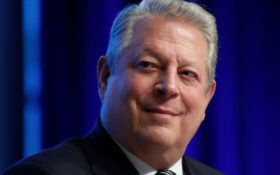
According to a report from Berlin-based outlet, DPA, Germany is putting the brakes on one of Europe’s biggest climate-spending programs, a move that will stick in the side of climate champion Al Gore.
The German government plans to scale back a range of subsidy programs financed through its Climate and Transformation Fund (KTF) over the coming years, the Finance Ministry said last Wednesday.
Germany to slash climate fund by $34 billion through 2030 as part of an effort to reduce spending https://t.co/JgY3S4hVF8
— Just the News (@JustTheNews) July 15, 2026
The fund finances measures to help Germany meet its climate goals. It supports programs ranging from subsidies for heat pumps and electric vehicles to energy efficiency and industrial decarbonization.
The ministry said that, in principle, funding that has not yet been committed will be reduced by 30%, although no programs will be halted altogether.
Before the move can move forward, German Chancellor Friedrich Merz’s Cabinet still must approve the measures.
Currently, the KTF is financed mainly through revenues from Germany’s national carbon pricing system and the European Union’s Emissions Trading System.
It will also receive €100 billion ($114 billion) over the coming years from Germany’s €500 billion special infrastructure and climate neutrality fund, equivalent to €10 billion annually.
The government has already announced that subsidies for installing heat pumps and other climate-friendly heating systems will be reduced in the coming years, with greater means-testing of applicants.
Other planned cuts will affect programs supporting climate-friendly transport, energy-efficient urban redevelopment, energy research, energy-efficiency advisory services and subsidies for low-emission commercial vehicles, buses and rail transport, according to Cabinet documents obtained by DPA.
The government described the approach as an “intelligent lawnmower” strategy, referring to broad reductions across programs.
The Finance Ministry noted that annual budget allocations for subsidy programs are typically not fully spent within a single year.
Measures deemed strategically important, including a planned discounted industrial electricity price for energy-intensive companies, will be exempt from the cuts, and funding for measures to reduce energy costs will actually increase next year.
The ministry said the Climate and Transformation Fund must contribute to efforts to consolidate the federal budget as Finance Minister Lars Klingbeil seeks to close multibillion-euro funding gaps.
Under the government’s draft 2027 budget, €2.7 billion in emissions trading revenue that would otherwise have flowed into the fund will instead be redirected to the core federal budget.
Environmental groups have accused Klingbeil of raiding the fund to plug budget shortfalls.