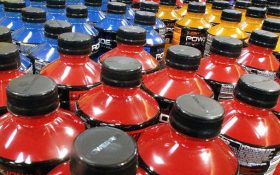
Nebraska is the first state to receive a federal waiver to ban the purchase of soda and energy drinks under the benefit program for low-income Americans long known as food stamps.
The move, announced Monday by U.S. Agriculture Secretary Brooke Rollins, would affect about 152,000 people in Nebraska enrolled in the Supplemental Nutrition Assistance Program, or SNAP, which helps families pay for groceries.
“There’s absolutely zero reason for taxpayers to be subsidizing purchases of soda and energy drinks,” Nebraska Gov. Jim Pillen said in a statement. “SNAP is about helping families in need get healthy food into their diets, but there’s nothing nutritious about the junk we’re removing with today’s waiver.”
Six other states — Arkansas, Colorado, Kansas, Indiana, Iowa and West Virginia — have also submitted requests for waivers banning certain foods and drinks or, in some cases, expanding access to hot foods for participants, according to the USDA.
The push to ban sugary drinks, candy and more from the SNAP program has been key focus of Rollins and Health Secretary Robert F. Kennedy Jr.
Rollins called Monday’s move “a historic step to Make America Healthy again.”
Details of Nebraska’s waiver, which takes effect Jan. 1, weren’t immediately available. Anti-hunger advocates criticized it, saying it adds costs, boosts administrative burdens and increases stigma for people already facing food insecurity.
The waiver “ignores decades of evidence showing that incentive-based approaches — not punitive restrictions — are the most effective, dignified path to improving nutrition and reducing hunger,” said Gina Plata-Nino, a deputy director at the Food Research & Action Center, a nonprofit advocacy group.
SNAP is a roughly $100 billion program that serves about 42 million Americans and is run by the U.S. Agriculture Department and administered through states.
The program is authorized by the federal Food and Nutrition Act of 2008, which says SNAP benefits can be used “for any food or food product intended for human consumption,” except alcohol, tobacco and hot foods, including those prepared for immediate consumption.
Over the past 20 years, lawmakers in several states have proposed stopping SNAP from paying for everything from bottled water and soda to chips, ice cream and “luxury meats” like steak.
Until now, USDA rejected the waivers, saying there were no clear standards to define certain foods as good or bad. In addition, the agency had said restrictions would be difficult to implement, complicated and costly, and would not necessarily change recipients’ food purchases or reduce health problems such as obesity.
The Associated Press contributed to this report.