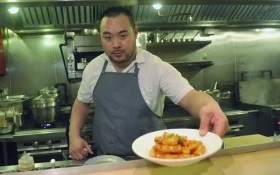
In a surprising turn of events, Momofuku, a food and restaurant brand founded by renowned food entrepreneur David Chang, has announced that it will no longer defend its trademark on the name “chile crunch” after facing backlash for sending cease-and-desist letters to other businesses using the term.
Momofuku introduced its Chili Crunch product in 2020, a spicy oil condiment with crunchy dried peppers and other ingredients like sesame seeds and garlic. The product is inspired by the popular Chinese condiment chili crisp and similar products from other countries. Various versions of chili crisp and other hot sauces have gained popularity in the United States in recent years.
In 2023, Momofuku acquired the trademark for the name “chile crunch” from Chile Colonial. While the company holds the trademark for the “e” spelling, it also claims “common law” rights to “chili crunch” with an “i” and has applied for a similar trademark status with the U.S. Patent Office for that spelling, which is still pending.
In March, Momofuku sent cease-and-desist letters to seven companies that were using the names “Chili Crunch” or “Chile Crunch” for their products. Most of these companies were small brands founded by Asian Americans. When the news broke, many of the affected businesses took to social media to express their frustration, arguing that the letters were unfair, particularly since most of the brands are small and David Chang and Momofuku are well-known in the Asian American and Pacific Islander community.
Initially, Momofuku defended its actions, stating that it was obligated to protect its trademark or risk losing it to a larger company that might copy their product if it wasn’t defended. However, by Friday, the company reversed its stance and announced that it would no longer enforce the trademark
Michelle Tew, owner of the Malaysian food brand Homiah, who received a cease-and-desist letter from Momofuku on March 18, said that while Momofuku’s decision not to enforce the trademark is a step in the right direction, she hopes for more in the future.
“I’m so grateful for this community that have spoken loudly in support of this and rallied around small businesses like mine,” she said in the statement.
The Associated Press contributed to this article.